Customs · July 21, 2026 · 6 min read · Last updated November 17, 2026
DDP vs DDU for Dropshipping: Who Pays Duties in 2026?
DDP means you pay import duties and taxes before delivery; DDU means your customer pays at the door. With duty-free thresholds gone in the US and shrinking in the EU and UK, the choice now decides your refund rate.
DDP vs DDU comes down to one question: who pays import duties and taxes. With DDP (Delivered Duty Paid), the seller pays them before delivery and the customer receives the parcel with nothing to pay. With DDU (Delivered Duty Unpaid), the customer pays them to the carrier on delivery, usually with a handling fee on top.
For years many dropshippers shipped DDU without noticing, because low-value parcels paid little or nothing at the border. That is over. The US suspended its $800 duty-free de minimis in August 2025, the EU added a €3 duty per item on parcels up to €150 from July 2026, and the UK is removing duty relief on parcels of £135 or less by 2028. This guide explains both options and when each one makes sense.
What do DDP and DDU mean?
Both terms come from the Incoterms, the International Chamber of Commerce rules that define who handles transport, risk and costs in a sale.
DDP, Delivered Duty Paid: the seller delivers the goods to the buyer’s address, cleared for import, with all duties, import VAT and clearance costs paid.
DDU, Delivered Duty Unpaid: the seller pays transport to the destination, but import duties and taxes are the buyer’s responsibility.
Strictly speaking, DDU no longer exists as an official Incoterm. It was dropped in the 2010 revision and replaced by DAP (Delivered at Place), which works the same way on duties. Carriers and shipping agents still say “DDU” every day, so you will see both names on rate cards.
B2B shipments, high-value orders where buyers expect to clear customs
Swipe sideways to see the whole table
Why DDU hurts dropshipping stores
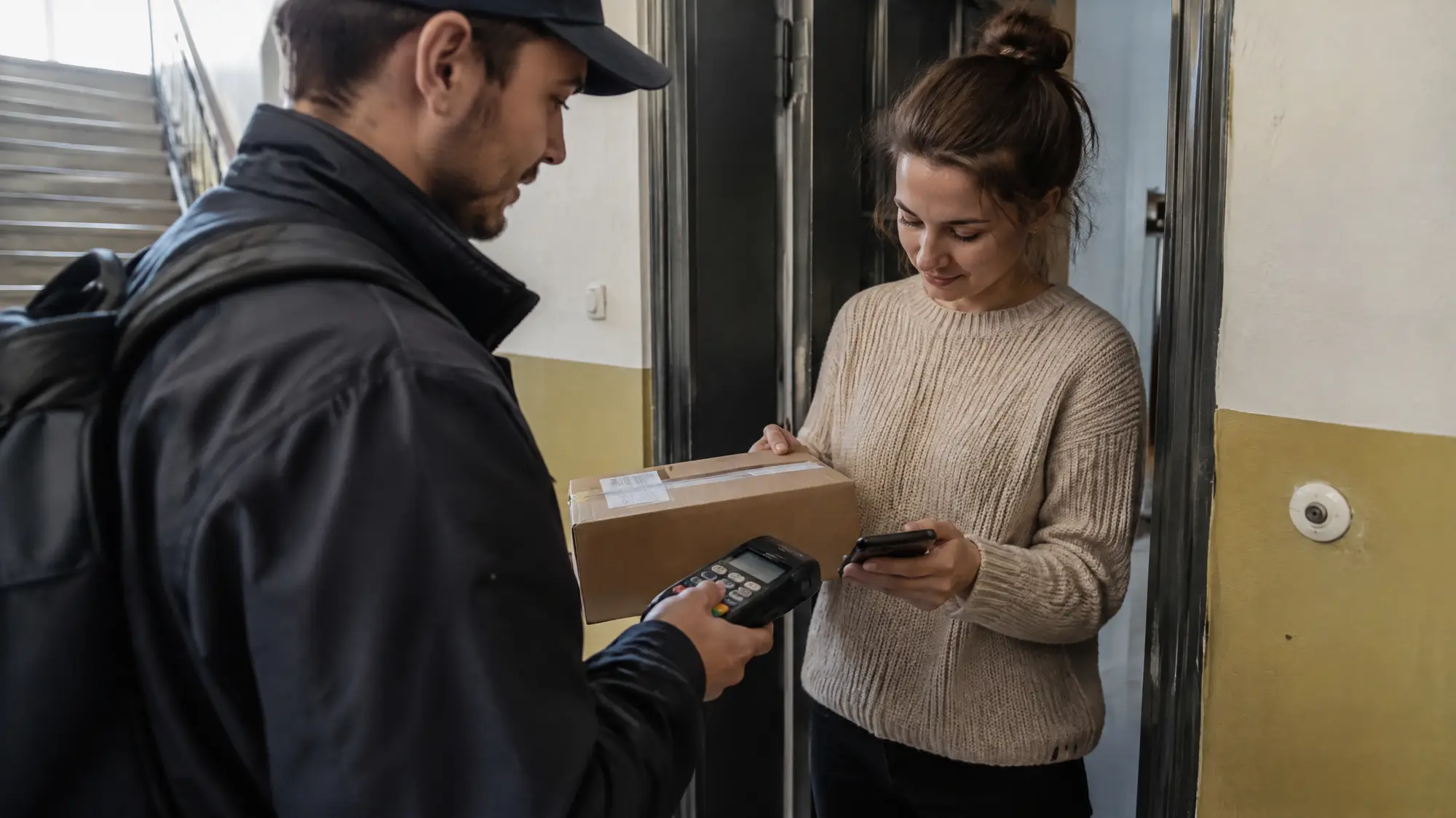
A customer who clicked an ad and paid €25 does not expect a message asking for €9 more before the parcel is released. Some pay and leave a bad review. Some refuse the parcel. Some open a dispute with their bank. Each of those costs you more than the duty would have.
The product and the outbound shipping are lost, because a refused parcel is often abandoned or returned at your cost.
You refund the order to avoid a dispute, or you lose the dispute and pay a fee on top.
Your payment processor sees a higher dispute rate, which can put your account at risk.
Ad performance drops as negative comments pile up under your ads.
Our guide to preventing chargebacks covers the payment side. The simplest fix, for most consumer stores, is not to put a customs bill in the customer’s hands in the first place.
How DDP works in the US, EU and UK in 2026
United States
Since 29 August 2025, low-value parcels no longer enter duty-free, and non-postal shipments must be entered by a party qualified to make entry. With DDP, your carrier or its customs broker files the entry and pays the duties, then bills them to you. With DDU, the carrier collects duties and a brokerage fee from the recipient. Our article on the end of the US de minimis covers the rates.
European Union
For consignments up to €150, DDP usually means you charge VAT at checkout through IOSS and your carrier pays the €3 duty per item at import. Above €150, DDP means the carrier pays import VAT and normal duty for you. See how IOSS works for dropshipping.
United Kingdom
For consignments of £135 or less, you charge UK VAT at checkout with your UK VAT registration, and customs duty is currently relieved. Above £135, DDP means import VAT and duty are paid before delivery. Our UK VAT guide explains the registration.
How much does DDP add to your costs?
DDP does not create a new tax. It moves duties and taxes that are due anyway from your customer to you, plus a handling margin from the provider. An illustrative EU example for a €35 single-item order: VAT is already inside your price through IOSS, and the DDP line adds the €3 flat duty, the €2 EU handling fee in force since 1 November 2026 and perhaps a small fee of its own. Your job is to price so that your landed cost still leaves a margin. Run the numbers in the profit margin calculator.
How to choose a reliable DDP shipping line
“DDP” on a rate card does not guarantee that duties are handled properly. Some cheap lines undervalue or misdescribe goods to cut the tax bill, which exposes your parcels to seizure and your business to penalties. Ask these questions before you commit.
Who is the importer or declarant of record in each market, and under whose IOSS or VAT number are parcels declared?
What value is declared? It should match what the customer actually paid.
Which HS code is used for each of your products?
Is duty billed at actual cost, as a flat per-parcel fee, or as a percentage?
What happens if customs holds a parcel or reassesses the duty after delivery?
Is there any case where the customer can still be asked to pay?
When does DDU still make sense?
DDU is still reasonable for B2B shipments, where the buyer is registered and expects to clear goods and reclaim VAT, and for high-value orders where the customer has agreed upfront to pay import charges. For consumer dropshipping to the US, EU and UK, it is rarely the right default in 2026.
If you do keep DDU for some destinations, say so clearly on the product page and at checkout, with an estimate of what the customer may pay on delivery. It will not remove the friction, but it turns a surprise into an informed choice and gives you a much stronger position if a customer later disputes the charge.
Next step: switch your main markets to DDP
Start with your top two destination countries. Ask your shipping partner for DDP rates there, check the answers to the questions above, update your checkout to show “duties and taxes included” and adjust prices where the margin is thin. Jindouyun ships from Shenzhen on air express lines with DDP options to the US, the EU and the UK, and we confirm HS codes and declared values with you before the first shipment.
FAQ
What is the difference between DDP and DDU?
With DDP (Delivered Duty Paid), the seller pays import duties, taxes and clearance costs before delivery, so the customer pays nothing extra. With DDU (Delivered Duty Unpaid, now officially DAP), the seller pays transport only and the customer pays duties and taxes to the carrier before receiving the parcel, often with a handling fee.
Is DDU still an Incoterm?
No. DDU was removed from the official Incoterms in the 2010 revision and replaced by DAP, Delivered at Place, which puts import duties and taxes on the buyer in the same way. Carriers and freight forwarders still use the term DDU informally, especially for parcel services.
Is DDP shipping more expensive?
The rate per parcel is higher because it includes duties, taxes and customs handling that would otherwise fall on the customer. The total cost per delivered order is often lower, because DDP avoids refused parcels, return shipping, refunds and chargebacks. Compare options on cost per successful delivery, not on the headline rate.
Should dropshippers use DDP for the US?
In most cases, yes. Since the de minimis exemption was suspended on 29 August 2025, every low-value parcel owes duties. Without DDP, the carrier collects them from your customer along with a brokerage fee, which leads to refusals and disputes. DDP lets you build duties into your price instead.